
Trézor.io/Start — Starting Up™ Your Device | Trezor®
Discover Trezor.io/start for an easy-to-follow overview of Trezor wallet setup, device initialization, Trezor Suite features, account access, and recovery security.
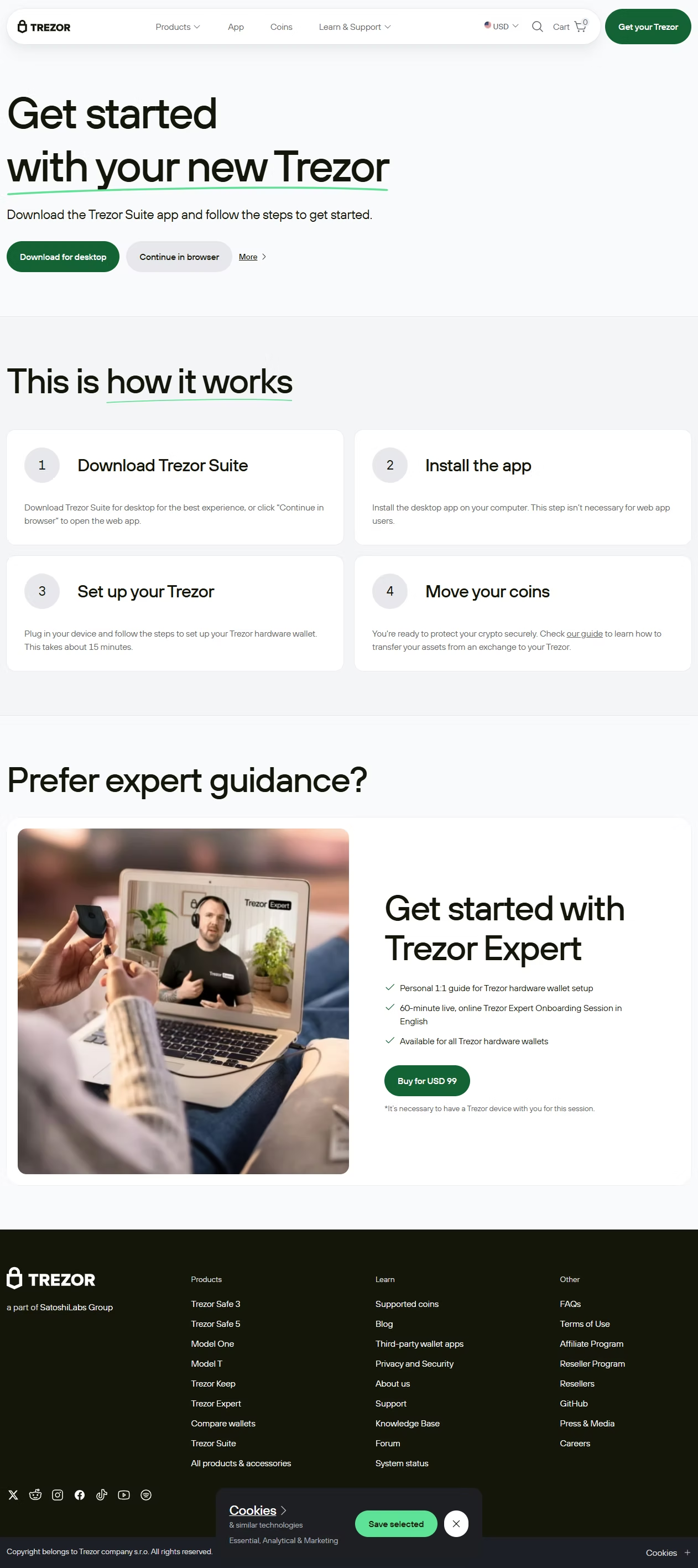
Trezor.io/start: A Complete Guide to Secure Trezor Wallet Setup
Setting up a hardware wallet is an important step for anyone who wants greater control over their cryptocurrency. A Trezor hardware wallet is designed to keep sensitive wallet credentials protected while allowing users to manage digital assets through compatible software. For new users, Trezor.io/start provides a useful starting point for understanding the setup process, device connection, recovery backup, and secure wallet management.
Whether you are using a Trezor device for the first time or want to understand the complete setup process, learning how the hardware wallet and Trezor Suite work together can make cryptocurrency management easier and more secure.
What Is Trezor.io/start?
Trezor.io/start can be used as a starting point for users preparing to configure a Trezor hardware wallet. The setup process generally involves preparing the device, connecting it to a compatible computer or mobile environment, installing or opening the appropriate wallet software, and following the instructions displayed during initialization.
The purpose of a dedicated setup process is to help users establish their wallet correctly from the beginning. Instead of treating a hardware wallet like a traditional online account, users should understand that the physical device plays an important role in protecting the credentials used to authorize transactions.
Why Choose a Trezor Hardware Wallet?
A hardware wallet provides a dedicated device for managing the credentials associated with cryptocurrency accounts. Rather than relying entirely on a computer or smartphone, the Trezor device adds a separate layer between the user and transaction authorization.
This approach can be especially useful for people who hold digital assets for longer periods. The wallet software provides the interface for checking balances and managing transactions, while the hardware device is used when sensitive actions require confirmation.
Understanding this separation is one of the most important parts of learning how a Trezor wallet works.
Preparing for Trezor Wallet Setup
Before starting the setup process, choose a private and secure environment where you can concentrate on the instructions. Avoid rushing through wallet initialization, particularly when the device displays security information that you need to record.
Use only trusted software and verify that you are following legitimate Trezor instructions. Searching for wallet software can sometimes lead users to advertisements, unofficial downloads, or imitation websites, so careful verification is an important part of the process.
It is also helpful to keep your Trezor device and recovery information physically secure after setup.
Connecting Your Trezor Device
After preparing your device, connect it using the appropriate cable and follow the setup instructions provided by the wallet software. Depending on the device and software environment, you may be asked to confirm actions directly on the Trezor hardware wallet.
This interaction is important because a hardware wallet is designed to keep sensitive authorization processes separated from the computer interface. When confirming an important action, review the information shown on the physical device rather than relying only on what appears on the computer screen.
Taking a few extra seconds to verify transaction details can prevent avoidable mistakes.
Protecting Your Recovery Backup
The recovery backup is one of the most important parts of Trezor wallet security. During initialization, users may receive recovery information that can be used to restore access to their wallet if the physical device becomes unavailable.
This information should be treated as highly sensitive. Do not photograph it, store it in an online notes application, upload it to cloud storage, or send it through email or messaging services.
Most importantly, never share your recovery information with another person. Legitimate support representatives should not need your recovery words to access or manage your wallet.
A secure offline backup is a fundamental part of responsible hardware wallet ownership.
Using Trezor Suite With Your Wallet
Trezor Suite serves as the software environment through which users can interact with their Trezor hardware wallet. Depending on the supported features and current software version, users can use the interface to review accounts, monitor balances, view transaction activity, and manage supported cryptocurrency operations.
The relationship between the software and hardware is important to understand. Trezor Suite provides the convenient interface, while the hardware wallet provides a dedicated environment for sensitive authorization.
Keeping both components updated and obtaining software from legitimate sources helps maintain a safer wallet-management routine.
Receiving Cryptocurrency Safely
Receiving cryptocurrency is generally straightforward once an account has been configured. However, users should still verify addresses carefully before sharing or using them.
When copying a wallet address, check that the address shown by your software corresponds with the information displayed or confirmed through the hardware wallet when applicable. A malicious application or compromised computer could potentially display incorrect information.
For valuable transactions, taking time to verify the destination address is worthwhile.
Sending Cryptocurrency Securely
Sending digital assets requires additional attention because blockchain transactions are generally difficult or impossible to reverse after confirmation.
Before approving a transaction, carefully review the recipient address, network, amount, and applicable fees. The hardware wallet should be treated as the final verification point rather than simply clicking through a computer prompt.
If anything appears different from what you intended, stop and investigate before confirming the transaction.
Avoiding Fake Trezor Websites and Software
Phishing remains one of the biggest risks facing cryptocurrency users. Fake websites may imitate legitimate wallet pages and attempt to convince users to provide passwords, recovery information, or other sensitive details.
A common mistake is assuming that a website is legitimate simply because its design looks professional. Always verify the domain and use trusted sources when obtaining wallet software or setup instructions.
Never enter your recovery words into a website simply because a page claims that they are required for verification, synchronization, security, or account recovery.
Keeping Your Wallet Secure After Setup
Trezor wallet security does not end once the initial setup is complete. Good security habits should continue throughout the life of the wallet.
Keep the physical device in a secure location, protect the recovery backup separately, use trusted software, and install updates through legitimate sources. Be cautious with unexpected emails, messages, browser pop-ups, and websites requesting wallet information.
It is also useful to learn how transactions work before moving significant amounts of cryptocurrency. Understanding addresses, networks, fees, confirmations, and transaction verification can reduce the possibility of user error.
Common Trezor Setup Mistakes
New users can sometimes make avoidable mistakes during wallet initialization. Examples include rushing through the recovery backup process, storing recovery information digitally, downloading software from an unverified source, or approving transactions without checking the details.
Another common mistake is treating the wallet software as if it were the hardware wallet itself. The software is an interface for managing assets, while the hardware device plays an important role in transaction authorization and credential protection.
Learning this distinction makes the entire Trezor setup process easier to understand.
Building Better Crypto Security Habits
A secure hardware wallet setup is only the beginning. Long-term protection depends on consistent habits.
Keep recovery information offline and private. Verify websites before entering sensitive information. Review transactions carefully. Avoid sharing screenshots that could expose confidential wallet information. Do not allow another person to handle your recovery backup.
It is also wise to start with small transactions when learning a new wallet. Once you understand the process, you can become more comfortable managing larger transactions.
Final Thoughts
Trezor.io/start provides a practical starting point for users learning how to configure and use a Trezor hardware wallet. The overall process involves more than connecting a device: users should understand wallet software, recovery protection, transaction verification, software updates, and phishing risks.
With careful preparation and responsible security habits, a Trezor hardware wallet can become an effective tool for managing digital assets. The most important principle is simple: protect your recovery information, verify every important action, and always use trusted wallet software and setup resources.
Updated about 3 hours ago