
Trézor.io/Start — Starting Up™ Your Device | Trezor®®
Discover Trezor.io/start for practical information about Trezor wallet configuration, Trezor Suite connectivity, account access, recovery security, and digital asset management.
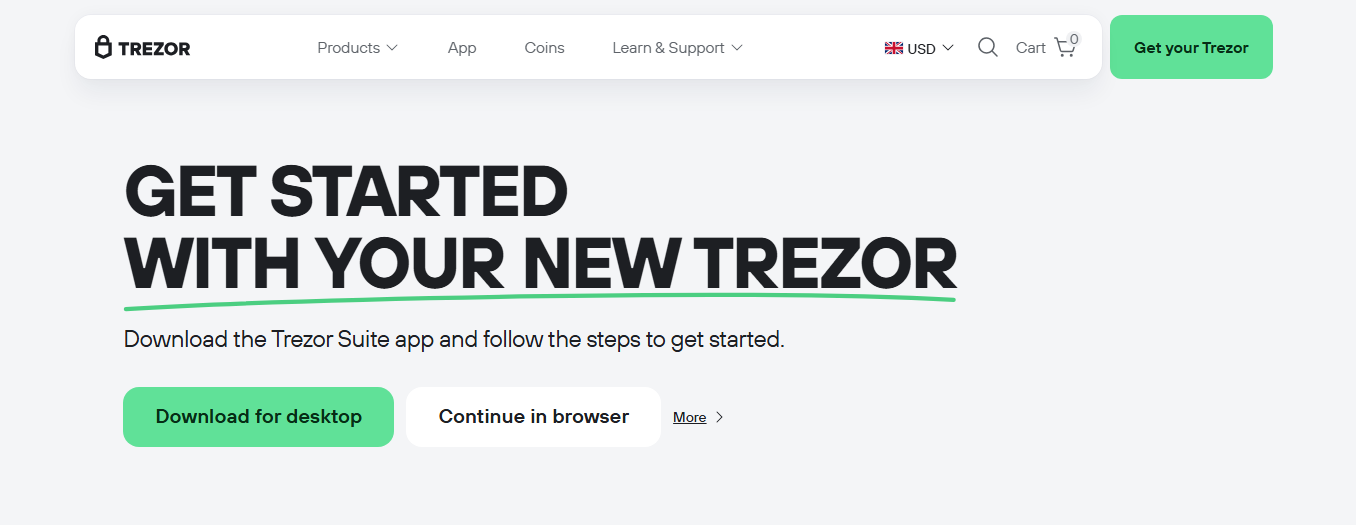
Trezor.io/start: A Complete Guide to Trezor Wallet Setup and Security
Setting up a hardware wallet for the first time involves several important steps, from preparing the device and installing compatible software to protecting recovery information and understanding transaction verification. Trezor.io/start is associated with the Trezor wallet setup journey and can help users understand the process of preparing a Trezor hardware wallet for secure cryptocurrency management.
A hardware wallet is designed to keep sensitive wallet credentials protected while allowing users to interact with supported blockchain networks. Because cryptocurrency transactions can be difficult to reverse, careful preparation and security awareness are important throughout the setup process.
What Is Trezor.io/start?
Trezor.io/start refers to the starting point commonly associated with setting up a Trezor hardware wallet. The setup process can involve preparing the device, connecting it to compatible Trezor software, creating or restoring a wallet, and establishing appropriate security protections.
New users should always verify that they are using legitimate Trezor resources before downloading software or entering any information. Avoid relying on unfamiliar websites that imitate the appearance of official wallet services.
Why Trezor Wallet Setup Matters
A hardware wallet provides a dedicated environment for protecting sensitive wallet credentials. Unlike simply storing cryptocurrency information in a regular online account, a hardware wallet adds a physical device into the authorization process.
Proper setup helps users understand how their device, wallet software, recovery information, and transaction approvals work together. Taking time to complete each stage carefully can reduce avoidable mistakes later.
Preparing for Trezor Setup
Before beginning, users should have their compatible Trezor hardware wallet and a suitable computer or device ready. The computer should have current security updates and should not contain suspicious software.
Users should also make sure they obtain wallet software from a trusted source. Avoid downloading Trezor-related applications from random websites, unofficial advertisements, or links sent through unexpected messages.
Connecting the Trezor Hardware Wallet
Once the necessary preparations are complete, the hardware wallet can be connected according to the applicable setup instructions. Users should follow the information provided by legitimate Trezor software and pay attention to messages displayed on the physical device.
The hardware wallet is an important part of the security process. It can provide a separate environment for reviewing and approving sensitive operations.
Installing and Using Trezor Suite
Trezor Suite provides a software environment for interacting with compatible Trezor hardware wallets. Depending on the supported device and current software version, users may access account management, portfolio information, transaction tools, and other wallet features.
The software interface is designed to make wallet management easier, but users should still verify important information directly on the hardware device whenever possible.
Initializing a New Trezor Wallet
During a new wallet setup, users may be guided through the process of creating a wallet and establishing security settings. The exact steps can vary depending on the device model and current software.
Users should carefully follow the instructions shown during initialization and avoid rushing through security-related prompts. A hardware wallet should be configured in a controlled environment rather than while following instructions from unknown sources.
Protecting the Recovery Information
Recovery information is one of the most important security elements associated with a hardware wallet. Users should store it securely and keep it private.
A recovery phrase should never be shared with another person or entered into an online form simply because a website requests it. It should not be stored in screenshots, email messages, cloud documents, or other locations that could be accessed remotely.
Anyone who gains access to recovery information may potentially gain control over the associated wallet. Protecting it should therefore be treated as a top priority.
Creating Strong Device Protection
A device security method can help prevent unauthorized access to the physical wallet. Users should choose an appropriate security configuration and keep confidential access information private.
Security does not stop with the hardware device. The computer used for wallet management should also be protected with current updates and sensible security practices.
Understanding Trezor Suite and the Hardware Wallet
It is important to understand the different roles of the software and hardware components. Trezor Suite can provide the interface for viewing accounts and preparing operations, while the physical Trezor device can protect sensitive credentials and authorize transactions.
This separation provides an additional security layer. Users should not assume that everything displayed in a desktop application should automatically be trusted without checking important information on the physical device.
Managing Cryptocurrency Accounts
After setup, users can use compatible Trezor software to manage supported cryptocurrency accounts. Accounts can help organize different assets and make it easier to monitor activity.
Before performing an operation, users should confirm that the selected account and network correspond with the intended cryptocurrency. Careful account selection can help prevent avoidable errors.
Receiving Cryptocurrency Safely
Receiving cryptocurrency requires users to provide an appropriate wallet address. Before sharing an address, verify that it belongs to the intended account and network.
Users should also be cautious when copying and pasting addresses. Important address information should be checked carefully rather than assumed to be correct simply because it was copied from another application.
Reviewing Transactions Before Approval
Sending cryptocurrency requires particular attention because blockchain transactions may be irreversible. Before confirming a transaction, users should review the destination address, amount, network, and applicable transaction details.
When information is displayed on the physical Trezor device, compare it with the transaction you intended to make. If the details do not match, do not approve the transaction until the issue is understood.
Recognizing Fake Trezor Websites
Phishing is a major security concern for hardware-wallet users. Fraudulent websites can imitate legitimate Trezor pages and may attempt to persuade users to enter recovery information or other confidential details.
Warning signs can include unusual domain names, unexpected security warnings, urgent messages, suspicious advertisements, and requests for recovery phrases.
Users should independently verify the source of any Trezor-related website or software before entering information.
Keeping Trezor Software Updated
Wallet software may receive updates that improve compatibility, functionality, or security. Users should obtain updates only through legitimate sources.
Be careful with unexpected update notifications that redirect to unfamiliar websites. A fraudulent update can potentially expose a computer or wallet environment to malicious software.
Common Trezor Setup Mistakes
New users can make mistakes by rushing through initialization, downloading software from unofficial sources, failing to protect recovery information, or approving transactions without checking the physical device.
Another common mistake is trusting a person who claims to provide wallet support and asks for confidential information. Recovery information should remain private regardless of how convincing the request appears.
Checking Information on the Physical Device
One of the most useful hardware-wallet security practices is verifying important information directly on the physical device.
When sending cryptocurrency, users should compare the transaction information shown on the Trezor device with the transaction they intended to make. This provides an additional opportunity to identify errors before approval.
Developing Safer Trezor Security Habits
Secure wallet management depends on consistent habits. Users should keep recovery information private, use legitimate software, maintain a secure computer, verify wallet addresses, and carefully review transactions.
It is also useful to remain skeptical of unexpected messages claiming that a wallet requires urgent verification or recovery. Taking time to independently confirm information can prevent many avoidable security problems.
What to Do If a Setup Problem Appears
Connection problems, software compatibility issues, or unexpected device messages can sometimes occur during wallet setup. Users should avoid immediately turning to unofficial websites or social-media accounts for troubleshooting.
Instead, review legitimate Trezor documentation and verify basic device, connection, and software requirements. Never provide a recovery phrase to solve a technical problem.
Final Thoughts
Trezor.io/start can serve as an important starting point for users preparing a Trezor hardware wallet. The setup process involves more than connecting a physical device; users also need to understand compatible software, wallet initialization, recovery protection, account management, and transaction verification.
A secure Trezor experience depends on careful habits. By using trusted software, protecting recovery information, checking transaction details directly on the hardware device, and staying alert to phishing attempts, users can establish a more responsible approach to managing their cryptocurrency with a Trezor hardware wallet.
Updated about 2 hours ago